
Panettone is a classic Italian Christmas bread, rich and fluffy, made with butter, eggs, raisins, and candied citrus.

What Is A Panettone?
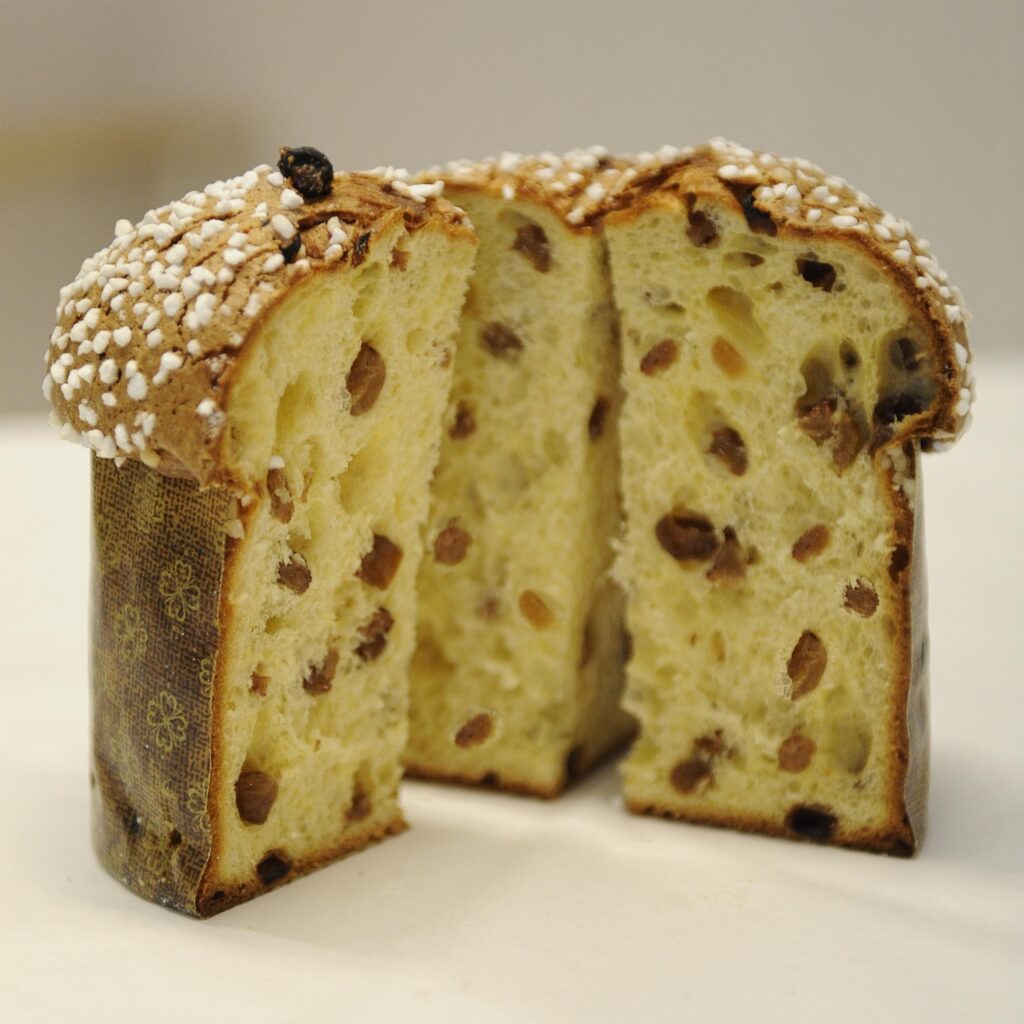
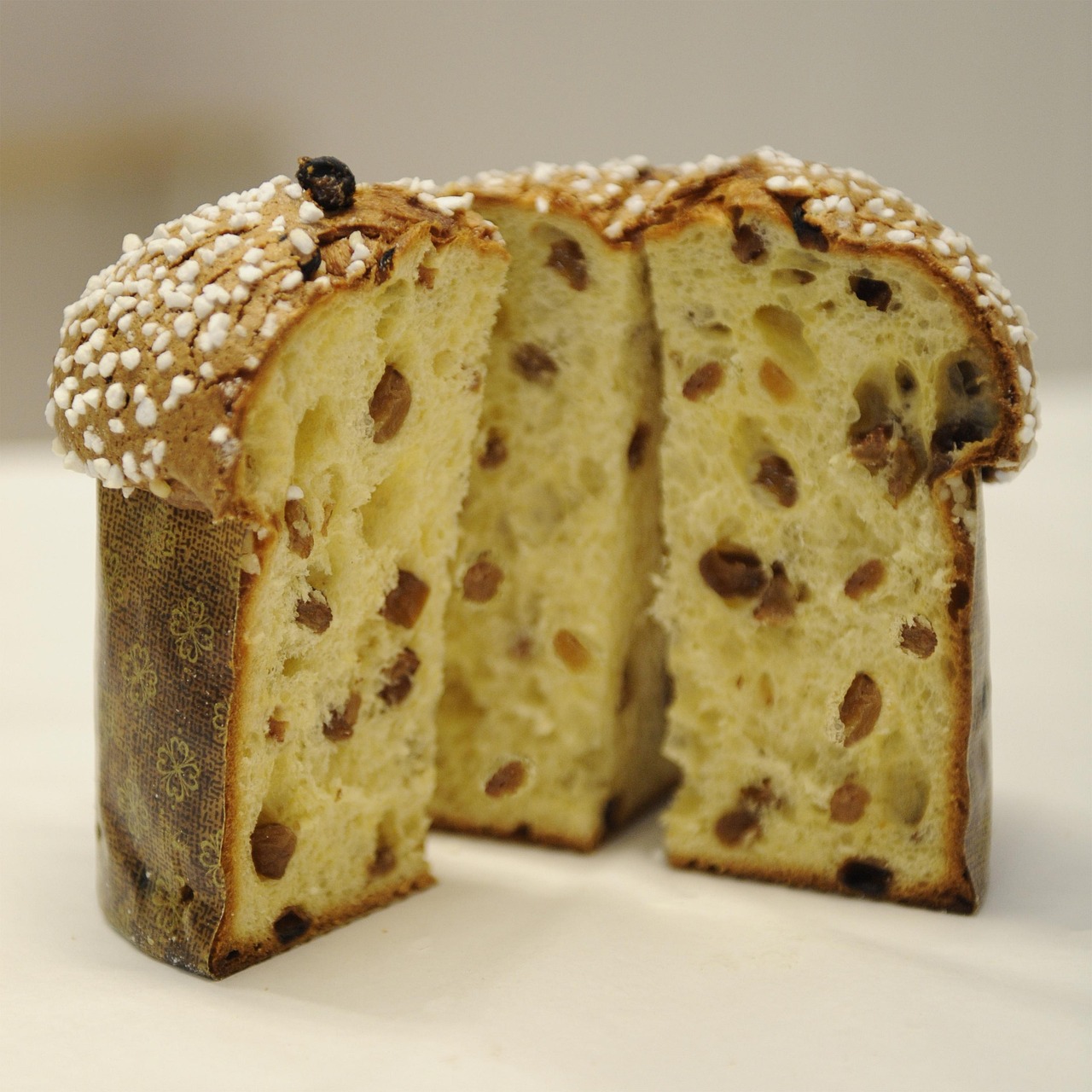
Originally from Milan, panettone is a italian Cuisine sweet bread that is especially well-known throughout the Christmas and New Year’s celebrations. It is famed for its rich, buttery flavor, light, airy texture, and tall, domed shape.
A yeast-leavened dough augmented with eggs, butter, sugar, and citrus zest, which will then be used to make panettone, filled with candied fruits and raisins. The bread receives its distinctive soft crumb and nuanced fragrance from the long and complex fermentation of the dough.
Panettone is traditionally enjoyed:
- Sliced and served uncluttered
- With hot chocolate, tea, or coffee
- Toasted lightly with mascarpone or butter
- As a blissful dessert appreciated with family members
The conventional fruit-filled loaf is still the most renowned, but there are now many variations, including such chocolate panettone, cream-filled panettone, and savory versions.
Panettone’s Health Benefits
When taken in moderation, panettone has some nutritional benefits even though it is primarily a festive treat.
01. Delivers Fast Energy
Carbohydrates and natural sugars discovered in panettone offer quick energy, making it ideal for cooler temperatures or celebrations.
02. Protein Source
Small amounts of protein from eggs and milk are used to start making panettone support both overall body function and muscle repair.
03. Includes Vital Vitamins
- Vitamins A, D, and B12 are found in eggs.
- Calcium and vitamin B2 are found in milk.
- Fat-soluble vitamins like A and E can be found in butter.
04. Benefits Of Fermentation For Digestiveprocess
In comparison to quick-rise baked goods, traditional panettone uses long yeast fermentation, which might also make the bread easier to digest.
05. Dried Fruits’ Antioxidants
Antioxidants and detectable amounts of fiber discovered in raisins and candied citrus peels encourage digestion and heart health.
06. Enhances Festive Joy And Mood
Even though sweet treats boost festive happiness and stimulate serotonin release, enjoying panettone can endorse emotional well-being.
07. Enjoy In Moderation
Due to the high sugar and fatty acids, panettone should be eaten in moderation, especially by those who are trying to control their blood sugar or weight.
Tips For Making Panettone
01. Make Use Of Strong Flour
To start creating enough gluten again for a tall structure and airy crumb of panettone, use bread flour or high-protein flour.
02. Have Patience While Fermenting
The mystery is to rise slowly and surely. To develop flavor and softness, let the dough totally double during each rise.
03. Use Ingredients At Room Temperature
For the dough to mix smoothly and rise evenly, the eggs, butter, and milk should be at room temperature.
04. Gradually Add Butter
While kneading, progressively incorporate this same butter. This assures a smooth texture and wants to keep the dough from tryingtocrack.
05. Soak Dried Fruits
After steeping raisins in tea, rum, or warm water, drain them. This keeps the crumb from drying out and keeps it soft.
06. Knead Until Elastic.
Before the first rise, the dough should be stretchy, shiny, and smooth (windowpane test).
07. Avoid Overindulging In Fruit
An inordinate amount of vegetables can make the dough thicker. For the best rise, stick to the recommended amount.
08. Use A Tall Mold
Bake panettone in a special panettone paper mold or deep tin to achieve its classic tall shape.
09. Carefully Check For Doneness
When a skewer comes out clean, and the internal temperature is somewhere between 90 and 92°C (195 and 198°F), the panettone is ready.
10. Cool Upside Down (Classic Advice)
Pierce the base with skewers and cool upside down to prevent the loaf from collapsing.
FAQ – Panettone
01. What Is Panettone?
Panettone is a traditional Italian sweet bread from Milan, typically enjoyed during Christmas and New Year. Raisins, candied fruits, butter, eggs, and citrus zest were included in the above soft, airy dish.
02. Why Does It Take So Long To Make Panettone?
Long fermentation and as well as several rises are essential for panettone to develop its delicate crumb, rich flavor, and light texture.
03. Is It Possible To Make Panettone Without A Specific Mold?
Likewise. A panettone paper mold offers the best shape, and yet you can use a tall round baking tin lined with parchment paper.
04. My Panettone Is Dense; Why Is That?
Insufficient kneading, underproofing, weak flour, or adding too much dried fruit are pretty standard reasons.
05. Is It Possible To Make Panettone Without Alcohol?
Of course. Only dried fruits could be drenched in alcohol to improve the taste. You might try substituting tea, juice, or water.
06. How Can I Tell If A Panettone Is Done Baking?
When a skewer comes out clean, the top is golden, or the internal temperature reaches 90–92°C (195–198°F), it’s done.
07. What Is The Best Way To Store Panettone?
Panettone must be wrapped tightly in an airtight bag or plastic wrap. At room temperature, it will last for three to five days.
08. Is It Possible To Freeze Panettone?
Likewise. Sliced thinly, safely wrap, and freeze for up to two months. Before serving, thaw at room temperature.
09. Does Panettone Have Any Health Benefits?
Panettone is a festive treat that provides some nutrients and energy, and because of its high sugar and fat content, it should only be taken in moderation.
10. Which Panettone Variations Are Popular?
Chocolate panettone, cream-filled panettone, lemon panettone, and savory panettone are popular variants.
Panettone
Ingredients
Dough
- 4 cups (500 g) all-purpose or bread flour
- ⅔ cup (135 g) sugar
- 2¼ tsp (7 g) instant dry yeast
- ¾ cup (180 ml) warm milk (about 110°F / 43°C)
- 3 large eggs, room temperature
- 1 tsp vanilla extract
- Zest of 1 orange
- Zest of 1 lemon
- ¾ cup (170 g) unsalted butter, very soft
- 1 tsp salt
Add-ins
- ¾ cup (120 g) raisins
- ½ cup (80 g) candied orange peel or mixed candied fruit
Finishing (optional)
- 1 egg (for egg wash)
- Pearl sugar or sliced almonds
Instructions
1. Prepare The Fruit
- Soak raisins in warm water (or rum) for 15 minutes.
- Drain well and pat dry.
2. Make The Dough
- In a large bowl, mix flour, sugar, and yeast.
- Add warm milk, eggs, vanilla, citrus zest, and salt.
- Mix until a rough dough forms.
3. Knead And Add Butter
- Knead by hand or mixer (dough hook) for 5–7 minutes.
- Add butter a little at a time, kneading well after each addition.
- Continue kneading until dough is smooth, elastic, and slightly sticky (about 10–15 minutes total).
4. First Rise
- Shape dough into a ball and place in a greased bowl.
- Cover and let rise in a warm place for 2–3 hours, until doubled.
5. Add Fruit
- Gently deflate dough.
- Knead in raisins and candied fruit until evenly distributed.
6. Shape
- Shape dough into a tight ball.
- Place into a panettone paper mold or a tall, parchment-lined round pan (6–7 inches wide).
7. Second Rise
- Cover lightly and let rise 1½–2 hours, until the dough reaches near the top of the mold.
8. Bake
- Preheat oven to 350°F (175°C).
- Brush top with egg wash and add pearl sugar or almonds if using.
- Bake for 40–45 minutes, tenting with foil if browning too fast.
- Internal temperature should be about 190°F / 88°C.
9. Cool
- Cool completely before slicing (important for texture).
- Traditionally, panettone is cooled upside down, but resting upright is fine for home baking.
-
Panettone
Panettone is a classic Italian Christmas bread, rich and fluffy, made with butter, eggs, raisins, and candied citrus. What Is A Panettone? Originally from Milan, panettone is a italian Cuisine sweet bread that is especially well-known throughout the Christmas and New Year’s celebrations. It is famed for its rich, buttery flavor, light, airy texture, and…
Leave a Comment