
A dairy product called cheese is created by coagulating the proteins in milk, typically with the help of an enzyme (like rennet) or an acid (like vinegar or lemon juice).


Ratings 05
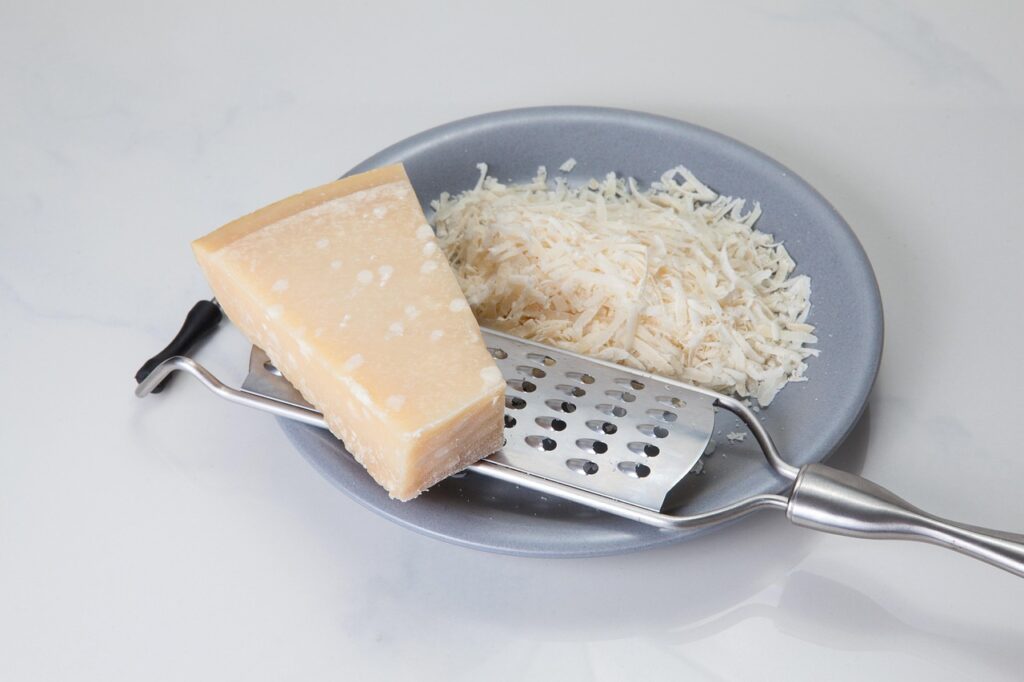
What Is The Cheese
A dairy product called cheese is created by coagulating the proteins in milk, typically with the help of an enzyme (like rennet) or an acid (like vinegar or lemon juice). The milk is separated into whey (liquid) and curds (solid) by this process. To make different types of cheese, the curds are consequently aged, shaped, and processed.
Key Facts About Cheese
- Main ingredient: Milk (from cows, goats, sheep, or buffalo)
- Aspects involve semi-soft (like mozzarella), hard (like Parmesan or cheddar), soft (like Brie), as well as fresh (like paneer or ricotta).
- Aging: Some cheeses are aged for flavor, while others are eaten fresh
- Flavors and textures: Can range from mild and creamy to sharp and crumbly
Common Uses:
- As a topping for pizzas and pasta
- In sandwiches, salads, and burgers
- As a snack with crackers or fruit
- Cooked into sauces, soups, and casseroles
Health Benefits Of Cheese
Cheese can be a nutritious part of your diet when eaten in moderation. It provides several essential nutrients and supports various aspects of health.
01. Rich In Calcium
- Supports strong bones and teeth
- Helps prevent osteoporosis
- Important for nerve and muscle function
02. High In Protein
- Aids muscle growth and repair
- Keeps you full longer, helping with appetite control
03. Good Source Of Vitamin B12
- Vital for red blood cell formation
- Supports brain and nervous system health
04. Contains Healthy Fats
- Provides energy
- Conjugated linoleic acid (CLA), discovered in full-fat cheese, may assist in fat metabolism and heart health (in small amounts).
05. Provides Other Important Nutrients
- Zinc – supports immune function
- Phosphorus – essential for bones and energy metabolism
- Vit A is helpful for skin, eyes, and general health.
06. Bonus: May Support Weight Control (When Eaten Wisely)
Some studies suggest that dairy fats may help reduce belly fat and improve body composition due to bioactive compounds in cheese.
Note:
While cheese is nutritious, it can be:
- High in sodium – watch intake if you have high blood pressure
- High in saturated fat – excess intake may impact cholesterol levels
- Calorie-dense – portion control is important
Other Names That Can Be Used For Cheese
Cheese comes in many varieties and is known by different names based on type, texture, origin, or style. Here are some other names and terms often used for cheese:
01. General Terms For Cheese
- Dairy cheese
- Curd
- Milk curd
- Rennet cheese
- Aged dairy
- Fermented milk
02. Names Based On Cheese Types
- Paneer – fresh, non-melting cheese from India
- Ricotta – Italian whey cheese with a creamy texture
- Mozzarella – soft, stretchy Italian cheese, often used in pizza
- Cheddar – sharp, aged cheese originally from England
- Brie is a soft, creamy, white-rinded French cheese.
- Parmesan – hard, aged Italian cheese, also called “Parmigiano-Reggiano”
- Feta is also a salty, flaky Greek cheese made from sheep or goat milk.
- Cottage cheese – soft, fresh cheese with curds
- Goat cheese (also recognized as “chèvre”) is indeed a tangy cheese made from goat’s milk.
03. Regional Names For Cheese
- Queso – Spanish for cheese (used in Latin America and Spain)
- Fromage – French for cheese
- Formaggio – Italian for cheese
- Käse – German for cheese
- In the Balkans, sirene is indeed a popular kind of brined cheese.
Tips For Making Cheese
Making cheese can be simple or complex depending on the type. Here are essential tips to help you succeed, especially with beginner-friendly cheeses like paneer, ricotta, or mozzarella.
01. Use High-Quality Milk
- Choose whole milk (preferably non-UHT) for better texture and flavor.
- Avoid ultra-pasteurized milk—it may not curdle properly.
02. Monitor Temperature Closely
- Use a food thermometer if possible.
- Most cheeses require milk to be heated to around 85–95°C (185–203°F) for curdling.
03. Choose The Right Coagulant
- Use lemon juice or white vinegar for fresh cheeses like paneer or ricotta.
- For aged cheeses, use rennet, which also comes in liquid or tablet form.
04. Stir Gently
- Once curds begin forming, avoid aggressive stirring to keep curds intact and prevent a rubbery texture.
05. Allow Proper Resting Time
- Let the curds rest undisturbed after adding acid or rennet. This helps curds form more completely.
06. Strain Well
- Use a cheesecloth or fine muslin cloth to drain whey.
- For firmer cheese, press the curds under a weight for 30–60 minutes.
07. Rinse If Using Acid
- For paneer or ricotta in specific, rinse curds under cold water to get rid of a vinegar or lemon flavouring.
08. Add Salt Wisely
- Add salt after curds are formed and drained. This enhances flavor and acts as a preservative.
09. Cleanliness Is Key
- Sterilize all utensils and cloths. Any unwanted bacteria can spoil your cheese.
10. Experiment With Aging (Optional)
- For aged cheeses, allow them to dry and ripen in a cool, clean environment with controlled humidity.
FAQ Cheese
01. What Is Cheese Made From?
Milk, generally from dairy cattle, goats, sheep, or buffalo, is fermented with rennet or acid (including such vinegar or lemon juice) to start making cheese. After already being separated from the liquid whey, the solid curds start to turn into cheese.
02. Is Cheese Healthy?
Yes, in moderation. Cheese is rich in calcium, protein, vitamin B12, and healthy fats. However, some types are high in sodium and saturated fat, so portion control is key.
03. Can Lactose-Intolerant People Eat Cheese?
Definite cheeses, including Parmesan, Swiss, and it can be aged cheddar, are naturally low in lactose tolerated in moderate amounts. Also, there are cheeses without lactose.
04. What’s The Difference Between Hard And Soft Cheese?
- Hard cheese (like cheddar or Parmesan) is aged longer, has less moisture, and a firmer texture.
- Soft cheese (like Brie or cream cheese) has higher moisture and is creamier and milder.
05. How Long Does Homemade Cheese Last?
- Fresh cheeses (including ricotta or paneer) must be kept in the fridge for three to five days.
- Depending on the type and storage, aged cheeses could indeed last from just a few weeks to several months.
06. An Cheese Be Rozen?
Hard cheeses can indeed be frozen, though doing so could modify their texture. Soft cheeses could get watery and also don’t freeze well.
07. What Is Rennet And Do I Need It?
Rennet is an enzyme that helps milk coagulate. It’s essential for making aged cheeses but not needed for fresh cheeses like paneer or ricotta.
08. Is All Cheese Vegetarian?
Not always. Traditional rennet is animal-derived. Look for vegetarian rennet or acid-coagulated cheeses (like paneer) if you’re vegetarian.
09. Why Did My Cheese Not Set Properly?
Possible reasons:
- Using ultra-pasteurized milk
- Wrong temperature
- Not enough acid or rennet
- Not letting it rest long enough
10. Can I Flavor My Momemade Cheese?
Yes! Add herbs, garlic, black pepper, or chili flakes to curds before pressing or mixing.
Cheese
Ingredients
Ingredients To Make Basic Cheese (Paneer-Style Or Farmer’s Cheese):
- 1 liter whole milk (preferably full-fat cow's milk)
- 2–3 tablespoons lemon juice or white vinegar
- Pinch of salt (optional)
Instructions
Heat The Milk
- Pour the milk into a large saucepan and heat it over medium heat. Stir occasionally to prevent burning. Bring it to a gentle boil.
Add Acid To Curdle The Milk
- Once the milk begins to boil, reduce the heat and add the lemon juice or vinegar slowly while stirring gently. You will see the milk curdling—separating into curds and whey.
Let It Sit
- Turn off the heat and let the mixture sit for 5–10 minutes to allow complete curdling.
Strain The Curds
- Line a colander with cheesecloth or a clean thin kitchen towel. Pour the curdled mixture through it to collect the curds. Rinse with cold water to remove the lemon/vinegar taste.
Drain And Shape
- Gather the cloth and squeeze out excess water. You can tie it and hang it for 30–60 minutes to remove more whey. For a firm shape (like block cheese), press it under a heavy object.
Optional – Salt The Cheese
- After draining, sprinkle a pinch of salt over the cheese if desired and mix gently.
-

Bruschetta
Make classic Italian Bruschetta with crispy toasted bread, fresh tomatoes, garlic, basil, and olive oil. This easy appetizer is perfect for any occasion. What Is Bruschetta? Bruschetta is a traditional Italian appetizer made with slices of toasted bread rubbed with fresh garlic and drizzled with extra virgin olive oil. It is commonly topped with juicy…
-

Turkish Simit
Make homemade Turkish Simit with a crispy sesame-coated crust and soft, chewy center. This traditional Turkish bread is perfect for breakfast or a snack. What Is Turkish Simit? Turkish Simit is a traditional Turkish bread ring coated generously with sesame seeds and baked until golden brown and crispy on the outside, with a soft, chewy…
-

Eggs Benedict
Make classic Eggs Benedict with toasted English muffins, savory ham, perfectly poached eggs, and creamy Hollandaise sauce for a delicious breakfast or brunch. What Is Eggs Benedict? Eggs Benedict is a great American breakfast and brunch dish made with toasted English muffins, Canadian bacon or ham, poached eggs, and a rich, creamy Hollandaise sauce. The…
-
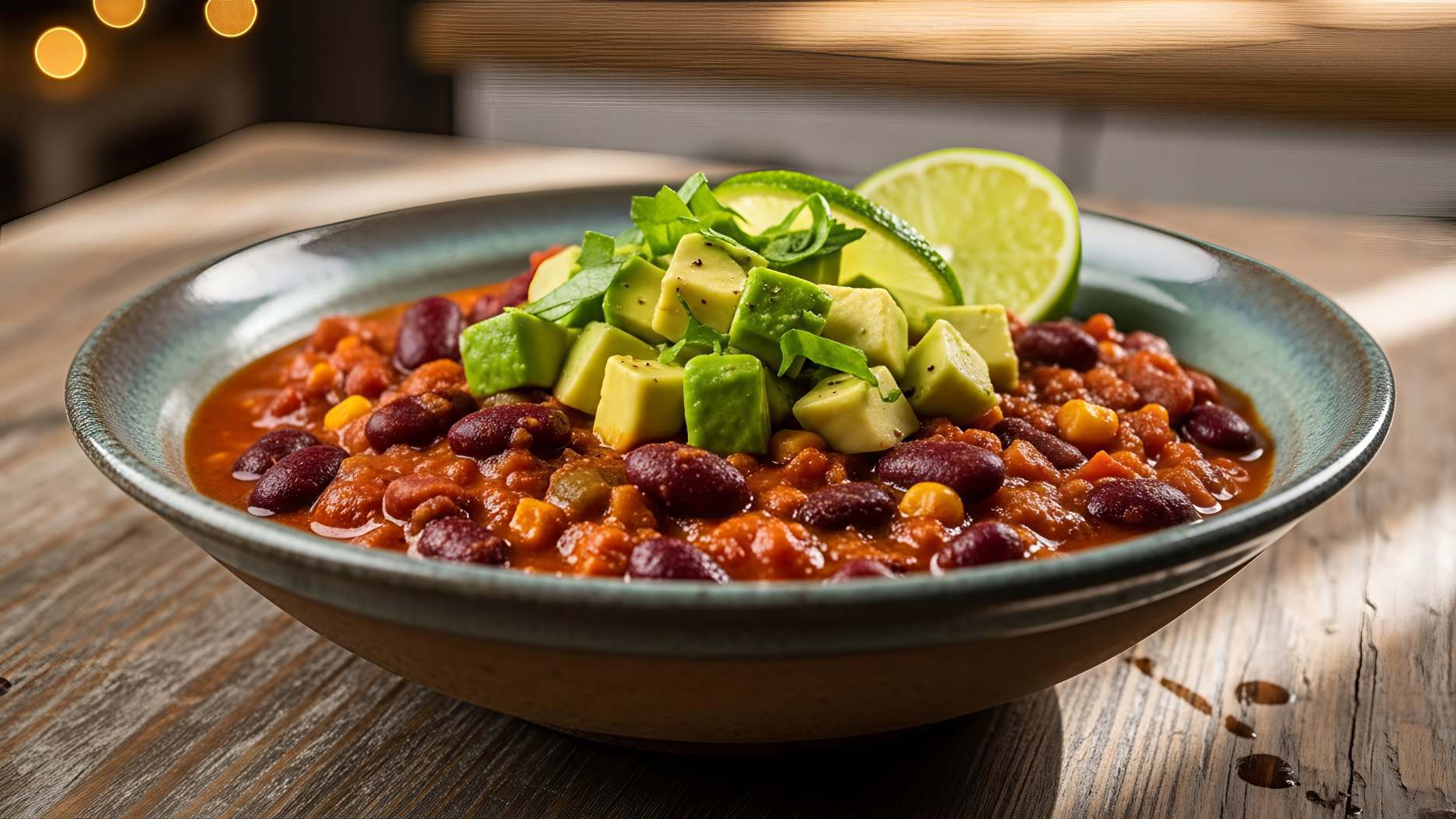
Chili Con Carne
Make easy Chilli Con Carne with ground beef, kidney beans, tomatoes, and aromatic spices. This hearty one-pot recipe is perfect for a flavorful lunch or dinner. What Is Chili Con Carne? Chili con carne is a hearty and flavourful beef dish boiled with ground beef, kidney beans, tomatoes, onions, peppers, and a combination of peppery…
-

Chicken Fajitas
Make juicy Chicken Fajitas with seasoned chicken, colorful bell peppers, onions, warm tortillas, and fresh toppings for an easy and flavorful Mexican-inspired meal. What Are Chicken Fajitas? Chicken Fajitas are a well-known Mexican-inspired dish made with juicy strips of seasoned chicken, colorful bell peppers, and onion. The flavoursome mixture is served in warm tortillas, sprinkled…
Leave a Comment