
Learn how to make soft and flaky parathas with this easy recipe. Made with whole wheat flour, ghee, and simple techniques, parathas are perfect for breakfast, lunch, or dinner. Serve with curd, pickle, or curry for a delicious meal.

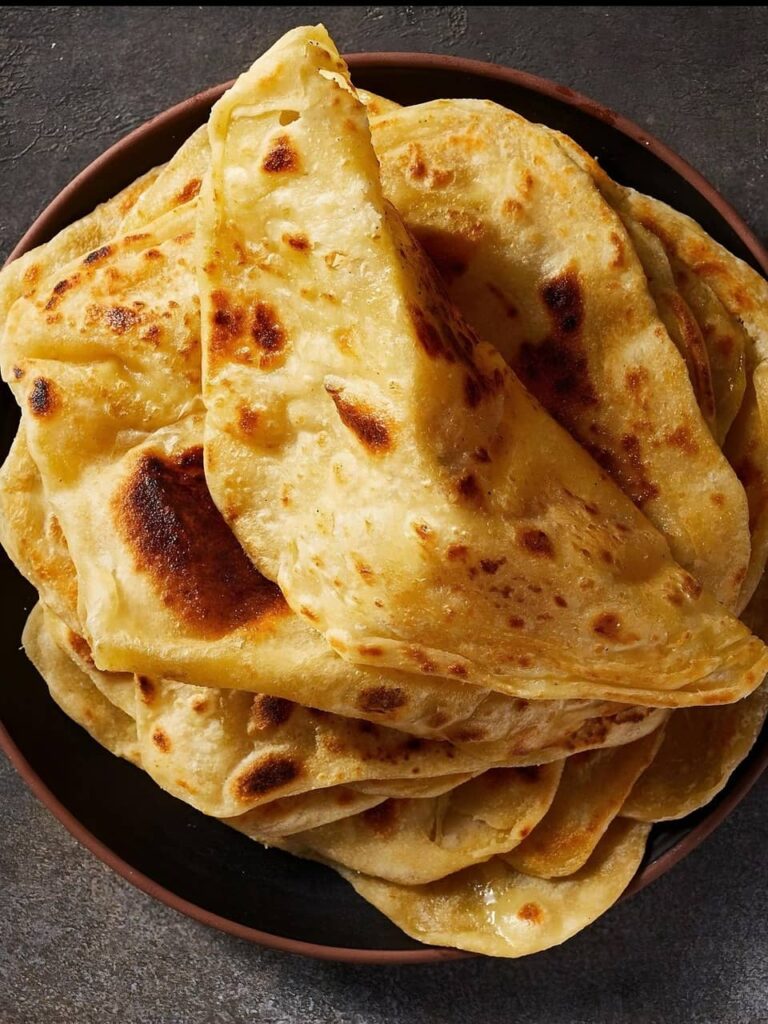
What Is Paratha?
Made from whole wheat flour and cooked with oil or ghee (clarified butter), paratha is a popular flatbread in India. It is soft on the inside and slightly crispy on the outside.In Bangladesh, Pakistan, India, as well as the nearby region, parathas are commonly eaten for breakfast, lunch, or dinner.
01. Key Features Of Paratha
- Made from wheat flour dough
- Rolled into thin layers
- Cooked on a hot tawa (griddle) with ghee or oil
- Can be plain or stuffed
02. Types Of Paratha
01. Plain Paratha – no stuffing; just layered dough.
02. Stuffed Paratha – filled with:
- Aloo (potato)
- Paneer (cottage cheese)
- Onion
- Spinach
- Egg
- Meat (keema)
03. How It’s Eaten
Paratha is usually served with:
- Curd (yogurt)
- Pickle
- Chutney
- Vegetable curry
- Dal (lentils)
- Or even a simple cup of hot tea
04. In Short
Paratha is a flaky, tasty flatbread made by rolling and cooking wheat dough, and it’s loved for its rich flavor and versatility.
Paratha’s Health Benefits
01. Good Source Of Carbohydrates
Paratha is made from whole wheat flour, which provides energy your body needs for daily activities. It helps to keep you invigorated and active all day long.
02. Packed With Dietary Fiber
Fiber is present in whole wheat flour, which:
- encourages a healthy digestive system
- aids in wanting to avoid constipation
- lengthens emotions of wholeness, which can aid in eating control.
03. Offers Vital Nutrients
Paratha includes:
- B vitamins (advantageous to the brain and energy function)
- Iron (ensures healthy blood)
- Zinc and magnesium (for immunity and metabolism)
04. Customizable For Better Nutrition
Parathas can be stuffed with nutritious ingredients like:
- Potatoes (energy + potassium)
- Spinach (iron + antioxidants)
- Paneer (calcium + protein)
- High-protein egg
This enhances the meal’s protein, vitamin, and mineral balance.
05. Healthy Fats (When Cooked In Moderate Ghee)
Using a small amount of ghee provides:
- Healthy fats that support brain function
- Better absorption of fat-soluble vitamins (A, D, E & K)
- The mystery is to avoid using too far more ghee or oil.
06. Crucial Information
Paratha could become unhealthy if:
- cooked with additional ghee or oil
- ingested in high quantities
- preceded by thick, greasy curries
Thus, moderation is crucial.
07. A Healthier Paratha Tip
- End up making use of whole wheat flour.
- Add protein fillings or veggies.
- Cook with as little oil or ghee as potential
- Serve with fresh salad and curd.
How To Prepare The Ideal Paratha
01. Knead A Soft Dough
- Add water little by little.
- Knead until the dough is smooth and elastic.
- Parathas created with hard dough would be tough and dry.
02. Let The Dough Rest
- After kneading, let the dough rest for 15 to 20 minutes.
- In regard to making the dough easier to roll and softer when cooked, this relaxes the gluten.
03. Use A Little Oil While Rolling
- Apply a few drops of oil or ghee while folding the dough.
- This adds to the layers that offer the paratha its flaky mouthfeel.
04. Avoid Using Too Much Dry Flour
- Parathas could become dry if there is just too much dry flour on the surface.
- To avert sticking, use just enough.
05. Cook On Medium Heat
- Low heat → paratha becomes hard.
- High heat: but the outside inside continues to remain uncooked will burn.
- Perfect cooking is accomplished with medium heat.
06. Press Gently While Cooking
- When brown spots appear, press gently with a spatula.
- This encourages even trying to cook and inhaling.
07. Add Ghee/Oil At The Right Time
- Add ghee/oil after the first flip.
- This halts excess oils from becoming assimilated by the paratha.
08. Cover After Cooking (Optional)
- After cooking, stack parathas and cover with a cloth.
- Once serving them later, this keeps them delicate.
FAQ – Paratha
01. Is Paratha Healthy?
When made with whole wheat flour and very little oil or ghee, paratha can be wholesome. It can be decided to make it even more nutritious by trying to add protein or vegetable fillings.
02. Why Does My Paratha Become Hard?
Paratha can become hard if:
- The dough is too stiff
- It is not rested
- Cooked on low heat for too long
- Use a soft dough, rest it for 15–20 minutes, and cook on medium heat.
03. Is It Possible To Make Paratha Without Ghee?
Likewise. Even though paratha can be finished cooking with oil or even cleaned like chapati, a slight amount of ghee enhances the taste and flakiness.
04. Why Doesn’t My Paratha Puff Up?
It may not puff if:
- The dough is not kneaded well
- Paratha is rolled too thickly or unevenly
- The heat is too low
- Knead well, roll evenly, and cook on medium-high heat.
05. How Can I Maintain The Softness Of Parathas For Lunchboxes?
- While kneading, add one or two teaspoons of oil.
- Don’t overcook.
- To maintain moisture in, stack and cover with such a cloth or foil.
06. Is It Possible To keep Paratha Dough?
Yes. Store dough in an airtight container in the refrigerator for up to 1 day.
Brush lightly with oil to prevent it from drying.
07. Can Parathas Be Frozen?
Likewise. The parathas must be partly roasted (lightly browned), allowed to cool fully, layered with parchment between each, and stored in a freezer. Cook totally on a hot tawa when needed.
Paratha
Ingredients
- 2 cups wheat flour (atta)
- 1 tablespoon oil or ghee
- ½ teaspoon salt
- Water (as needed, for kneading)
- Extra flour (for dusting)
- Ghee or oil (for cooking)
Instructions
Prepare The Dough
- In a mixing bowl, add wheat flour and salt.
- Add a tablespoon of oil or ghee.
- Slowly add water and knead into a soft, smooth dough.
- Cover and let it rest for 15–20 minutes.
Roll The Parathas
- Divide the dough into 4 equal balls.
- Dust one ball with flour and roll into a small circle.
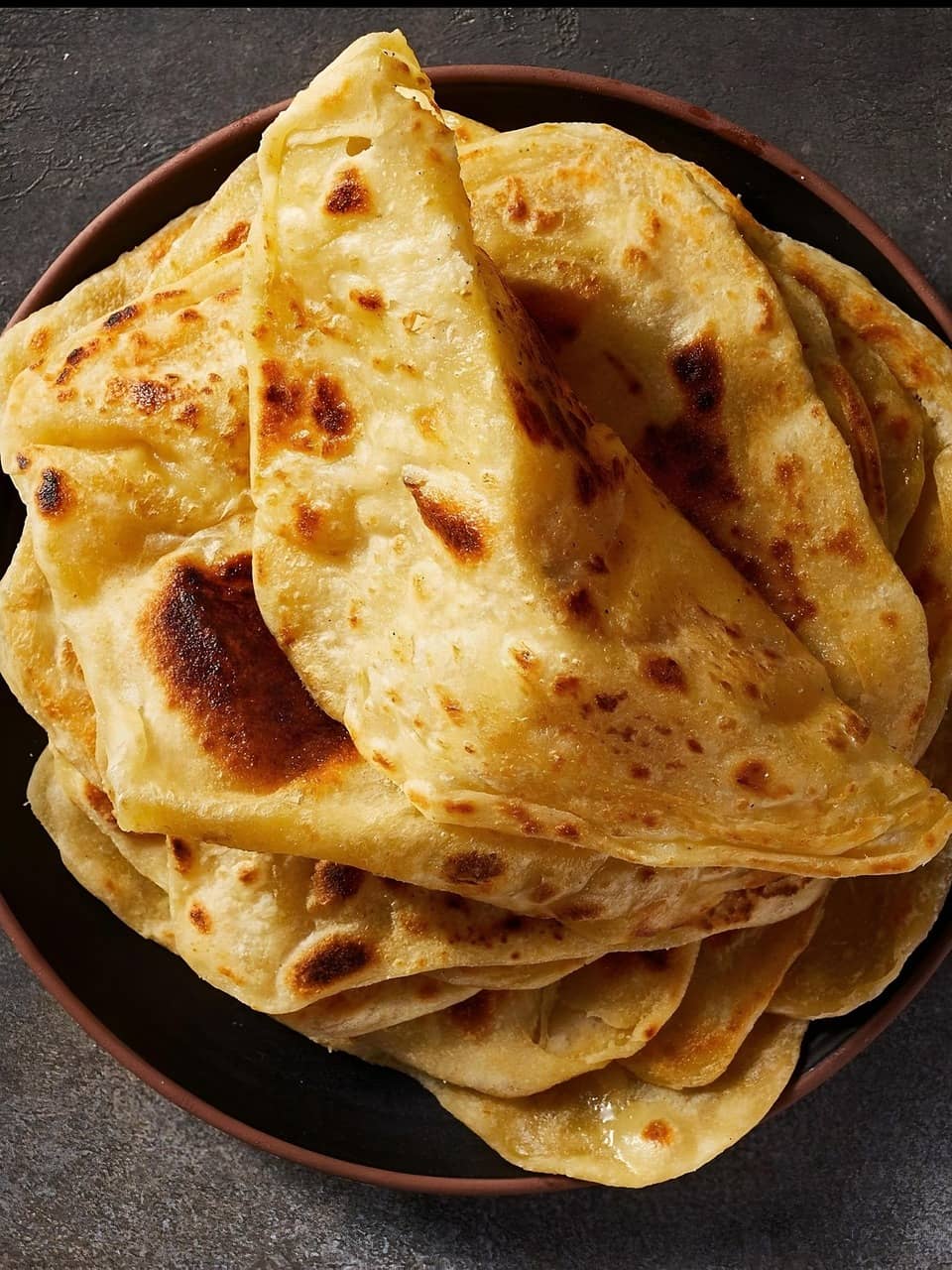
- Apply a few drops of oil/ghee, fold into a semi-circle, then fold again into a triangle.
- Roll the folded dough into a triangle-shaped paratha (or round if you prefer).
Cook The Parathas
- Heat a tawa or flat pan on medium heat.
- Place the rolled paratha on the hot tawa.
- Cook for 30–40 seconds, flip to the other side.
- Apply ghee/oil on both sides and cook until golden brown spots appear.
- Repeat with all parathas.
Serve
- Serve hot with curd, pickle, chutney, dal, or curry.
-
Paratha
Learn how to make soft and flaky parathas with this easy recipe. Made with whole wheat flour, ghee, and simple techniques, parathas are perfect for breakfast, lunch, or dinner. Serve with curd, pickle, or curry for a delicious meal. What Is Paratha? Made from whole wheat flour and cooked with oil or ghee (clarified butter),…
Leave a Comment