
Master Tabbouleh with our easy recipe. Tips included for perfectly chopped herbs, balanced lemon dressing, and a fresh, vibrant Middle Eastern salad

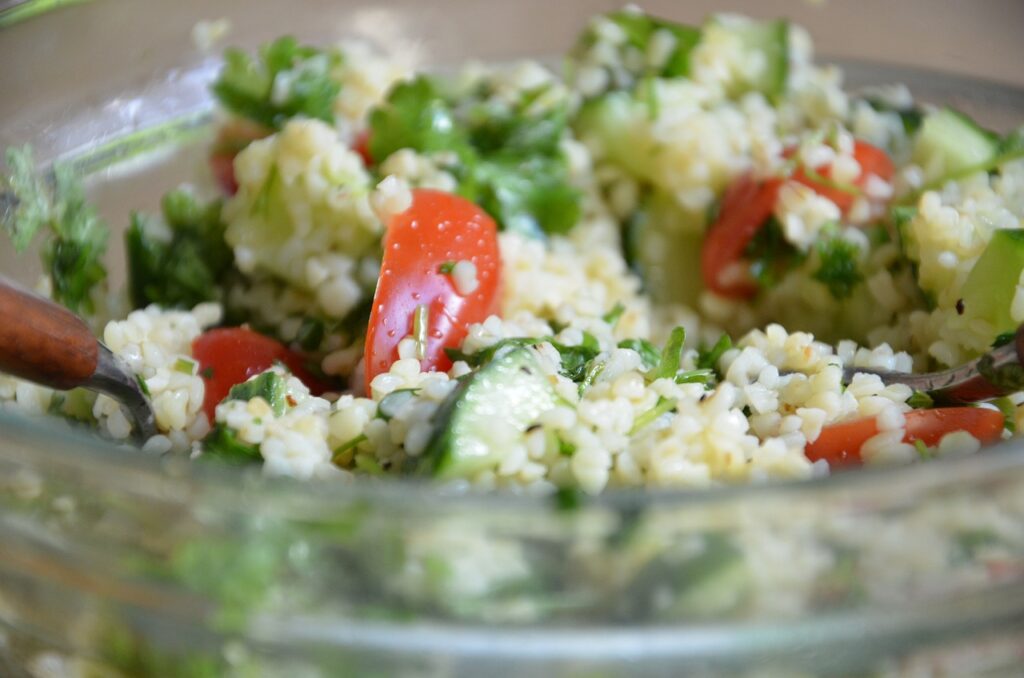
Tabbouleh: What Is It?
These same key ingredients of tabouleh, as well recognized as tabouli, which are all fresh parsley, mint, tomatoes, green onions, and bulgur wheat, of merged in a lively dressing of lemon and olive oil.
Tabbouleh, which originated from the Levant region (especially Lebanon and Syria), is praised for its nutrient-rich ingredients and refreshing, lemony flavor. The dish, which would be commonly presented with falafel, pita bread, and hummus on a mezze platter, bunch of small dishes.
It’s a light, reinvigorating, and healthy salad that did strike (from the optimal balance among fresh herbs and lemon) and the texture of bulgur.
Health Benefits Of Tabbouleh
Tabbouleh isn’t just delicious — it’s also packed with nutrients and health-boosting ingredients. Here are some of its key benefits:
01. Rich In Vitamins And Minerals
The parsley and mint in tabbouleh are rich in iron, calcium, and vitamins A, C, and K, which all encourage bone health and immunity.
02. High In Fiber
Vegetables and bulgur wheat offer a significant amount of fiber, fullness. which endorses a healthy intestinal system and lengthens
03. Helps Promote Heart Health
Antioxidants and healthy fats discovered in olive oil and fresh herbs may help to reduce cholesterol and improve cardiovascular health.
04. Low In Calories And Fat
Tabbouleh is an excellent option for clean eating or weight management, innately light and low in calories.
05. Hydrating And Refreshing
Especially in warm climates, tabbouleh, which also includes ingredients like cucumbers, tomatoes, and lemon juice, helps to keep you hydrated and refreshed.
06. Rich In Antioxidants
Powerful sources of antioxidants that battle free radicals and reduce inflammation include parsley, mint, and olive oil.
Tips For Making Perfect Tabbouleh
01. Use Fresh Herbs
Parsley and mint are the stars of tabbouleh.For ideal flavor, select fresh, fragrant, bright green herbs.
02. Finely Chop
these same onions, tomatoes, parsley, and mint. Small pieces give the salad its quintessential texture and assist in the even melding of flavors.
03. Don’t Over-Soak The Bulgur
Drain the bulgur totally after steeping until it becomes tender. The salad could become mushy if it includes too much water.
04. Olive Oil And Lemon
juice must be balanced, even though olive oil adds richness and lemon juice gives freshness. To have the optimal balance, taste as you go.
05. Give It A Rest
Before serving, just let tabbouleh sit for 15 to 30 minutes. This means allowing the flavors to mix in perfect harmony.
06. Serve Chilled Or Room Temperature
The refreshing characteristics of the herbs are augmented once tabbouleh is served slightly chilled or at room temperature.
07. Optional Extras
You can add bell peppers, cucumber, or a tiny quantity of garlic for variation, but ensure the herbs take hold.
FAQ: Tabbouleh
01. First. Is Tabbouleh Free Of Gluten?
Bulgur wheat, which contains gluten, is often used in traditional tabbouleh. You could use millet, cauliflower rice, or quinoa for a gluten-free version.
02. Can I Make Tabbouleh Ahead Of Time?
Yes, but fresh is beneficial. To thwart sogginess, refrigerate if preparing advance and add the same cucumber and tomatoes correct before serving.
03. How Long Does Tabbouleh Last?
Stored in an airtight container in the fridge, tabbouleh lasts 2–3 days. It tastes the best when fresh so because herbs lose their freshness over time.
04. Can Tabbouleh Be Frozen?
The fresh herbs and tomatoes will become mushy after thawing; as such, freezing is not advised.
05. Is It Possible To Substitute Dried Herbs For Fresh Ones?
Authentic flavor necessitates fresh herbs. Dried parsley or mint will not give the same taste, so it’s best to use fresh.
06. How Can I Enhance The Flavor Of Tabbouleh?
For much more lively, tangy flavors, add a little extra lemon juice, olive oil, or a pinch of sumac. Make sure by salad is ruled by herbs.
Tabbouleh
Ingredients
- ½ cup fine bulgur wheat
- 4 firm ripe tomatoes, finely diced
- 1 cucumber, finely diced (optional)
- 3 cups fresh parsley, finely chopped
- ½ cup fresh mint leaves, finely chopped
- 4 green onions, finely sliced
- ¼ cup extra virgin olive oil
- 3 tablespoons fresh lemon juice (or to taste)
- Salt, to taste
- Black pepper, to taste
Instructions
Soak The Bulgur:
- Place bulgur in a bowl and pour hot water over it to cover. Let it soak for 15–20 minutes until soft, then drain and squeeze out excess water.
Prepare The Vegetables:
- Finely chop parsley, mint, green onions, tomatoes, and cucumber.
Combine Ingredients:
- In a large bowl, mix soaked bulgur with chopped vegetables and herbs.
Season The Salad:
- Add olive oil, lemon juice, salt, and pepper. Toss well until evenly combined.
Chill And Serve:
- Let the salad sit for 15–30 minutes before serving to allow flavors to blend.
-
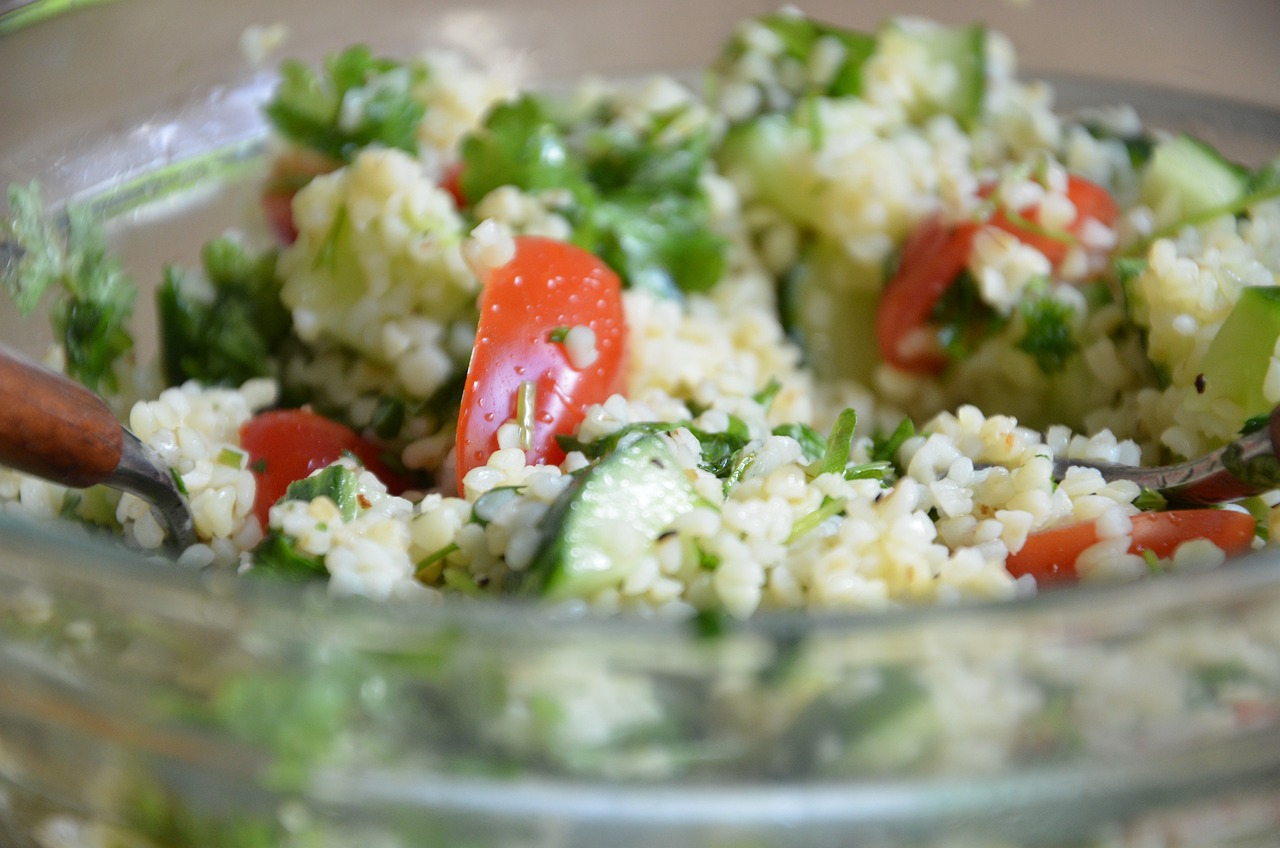
Tabbouleh
Master Tabbouleh with our easy recipe. Tips included for perfectly chopped herbs, balanced lemon dressing, and a fresh, vibrant Middle Eastern salad Tabbouleh: What Is It? These same key ingredients of tabouleh, as well recognized as tabouli, which are all fresh parsley, mint, tomatoes, green onions, and bulgur wheat, of merged in a lively dressing…
Leave a Comment