
Discover how to make a classic Pavlova with a crisp meringue shell and soft marshmallow center, topped with fresh whipped cream and seasonal fruits. A light, elegant dessert perfect for celebrations and special occasions.

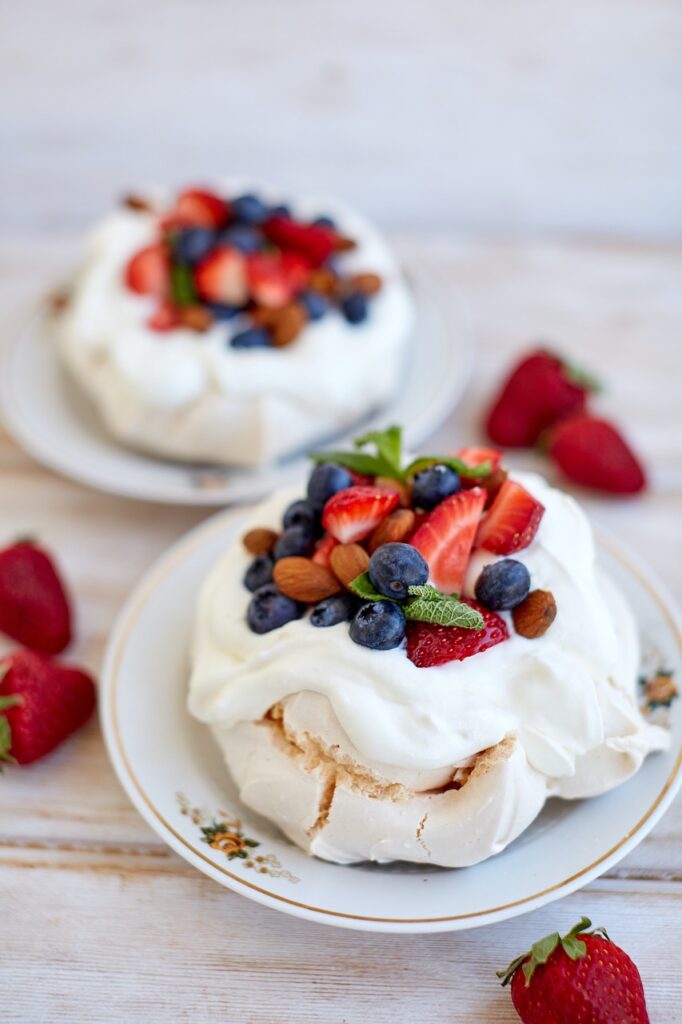
What Is Pavlova?
Made from a delicate meringue base that is crisp on the outside and soft, marshmallow-like on the inside, pavlova is a light and elegant dessert. Traditionally, fresh produce, such as berries and tropical fruits like kiwi and guava, is often used to make whipped cream.
The dessert is believed to have been created in the 1920s to honor the famous Russian ballerina Anna Pavlova during her tour of Australia and New Zealand.The dessert has remained a beloved classic in both cultures, and both countries claim to be its founders.
Pavlova is famed for its magnificent presentation; its airy meringue, pillowy cream, and vibrant fruit make it an gaze central focus for celebrations, holidays, and middle of summer affairs. Each bite offers a mix of crisp, creamy, and fruity flavourings. It is sweet, refreshing, and delicately textured.
Health Benefits Of Pavlova
While Pavlova is primarily a dessert and should be enjoyed in moderation, it does offer some positive nutritional aspects depending on the ingredients used:
01. Lower In Fat Compared To Many Desserts
The base of Pavlova is made mostly from egg whites and sugar, meaning it contains no butter or oil. As a consequence, and has less fat than cakes, pastries, or desserts made of cream.
02. Source Of Superior Protein
Lean protein, which is discovered in egg whites, helps promote cell growth, muscle repair, and overall body maintenance.
03. Packed With Antioxidants And Vitamins From Fresh Fruits
Traditional Pavlova condiments, like berries, kiwi fruit, passionfruit, or mangosteen, are naturally rich in:
- Vitamin C (promotes skin and immune system health)
- Antioxidants (which shield cells and lessen inflammation)
- Fiber (promotes gut health and facilitates digestion)
04. Adaptable To Dietary Preferences
Pavlova is easily adaptable:
- Naturally gluten-free (no flour is used)
- For a lighter version, users can end up replacing this same cream with yogurt or low-sugar fruits.
05. A Good “Celebration Dessert”
Pavlova is often served on holidays and special occasions. A balanced, pleasant diet that seeks to promote psychological health and nurtures interactions includes, every once in a while, partaking in sweets.
Tips For Making Pavlova
01. Use Fresh, Room-Temperature Egg Whites
- Cold egg whites do not whip as well. For ideal volume, let them sit at room temperature for 20 to 30 minutes before whipping.
02. Make Sure The Bowl Is Dry And Completely Clean.
- The whites may well not whip properly if there is a slight sense of grease or egg yolk. For best results, use a plastic bowl rather than a metal or glass bowl plastic person.
03. Add Sugar Slowly
- Add the sugar one tablespoon at a time while beating. This helps facilitate the dissolving of the sugar and generates a glossy, smooth meringue.
04. Beat Until Shiny, Stiff Peaks Form
- When you lift the whisk, the meringue should preserve its shape. It necessitates more mixing if it is grainy or soft.
05. Gently Fold When Using Vinegar And Cornstarch
- These elements contribute to the creation of the marshmallow-like core. Fold very lightly with a spatula so you don’t deflate the meringue.
06. Shape With Higher Edges And A Slight Well In The Center
- This gives space for the whipped cream and fruit topping.
07. Bake Low And Slow
- Pavlova should bake at a low temperature and for a longer time. Browning and cracks are caused by increased heat.
08. Cool In The Oven
- When baking is done, turn off the oven and leave the pavlova inside with the door slightly open. This keeps things from collapsing or cracking due to sudden temperature changes.
09. Add Toppings Just Before Serving
- The meringue absorbs moisture from the cream and fruit. Assemble well before serving to preserve a crisp outside and a soft wood.
10. Store Properly
- An undecorated pavlova can be stored in an airtight container at room temperature for up to 2 days.
- Once topped, it’s best enjoyed immediately.
FAQ: Pavlova
01. What Caused My Pavlova To Break?
When the oven temperature is too high or the pavlova cools too quickly, cracking usually occurs. Bake at a low temperature and let it cool inside the oven with the door slightly open.
02. Why Is My Pavlova Sticky Or Chewy?
This could happen if the pavlova was not managed to keep in a humid environment or if the sugar did not entirely dissolve in the meringue. After the pavlova had also cooled, gradually add the sugar and store it in an airtight container.
03. Is It Possible To Prepare Pavlova Ahead Of Time?
Yes. You can bake the meringue shell 1–2 days in advance and store it at room temperature in an airtight container.
When it’s time to deliver, add this same fruit and whipped cream.
04. Is It Possible To Use Different Toppings?
Of course. Pavlova receives along very well with:
- New berries
- New Zealand
- The passion fruit
- Mangos
- Cherries
Yogurt, mascarpone, or flavored whipped cream are other options.
05. Is Pavlova Free Of Gluten?
Yes, pavlova is naturally gluten-free since the meringue contains no flour.
06. Is It Possible To Substitute Brown Sugar For White Sugar?
It is not recommended. The pavlova has become soft and caramel-like rather than crisp and white due to the impact of brown sugar on texture and color.
07. How Can I Tell When The Pavlova Is Finished?
The inside should stay soft and marshmallow-like, and the outside should be dry and crisp. The shell should feel firm but not browned when softly tapped.
08. Is It Possible To Make Pavlova Without Vinegar Or Cornstarch?
These parts aid in sustaining the meringue and trying to form its soft center. The inside would be less fluffy if you’re not using them.
Pavlova
Ingredients
For The Meringue Base:
- 4 large egg whites (at room temperature)
- 1 cup (200g) granulated sugar
- 1 teaspoon white vinegar or lemon juice
- 1 teaspoon vanilla extract
- 2 teaspoons cornstarch
For The Topping:
- 1 ½ cups (360ml) heavy whipping cream (chilled)
- 2 tablespoons powdered sugar
- 1 teaspoon vanilla extract
- Fresh fruits for topping (e.g., strawberries, kiwi, blueberries, raspberries, or passionfruit)
Instructions
Preheat The Oven
- Preheat your oven to 150°C (300°F). Line a baking sheet with parchment paper. Draw an 8-inch (20 cm) circle as a guide, then flip the parchment so the pencil marks are on the underside.
Beat The Egg Whites
- In a clean, grease-free bowl, beat the egg whites on medium speed until they form soft peaks.
Add Sugar Gradually
- Increase the mixer speed to high and add the granulated sugar 1 tablespoon at a time. Continue beating until the meringue is very glossy and forms stiff, shiny peaks.
Add Cornstarch, Vinegar, And Vanilla
- Gently fold in the cornstarch, vinegar, and vanilla extract using a spatula. Do not overmix.
Shape The Pavlova
- Spoon the meringue onto the parchment circle and gently shape it into a round nest, keeping the edges slightly higher than the center.
Bake
- Reduce the oven temperature to 120°C (250°F).
- Bake for 1 hour to 1 hour 15 minutes, until the exterior is crisp and dry. Turn off the oven and let the pavlova cool completely inside the oven with the door slightly open. This helps prevent cracking.
Prepare The Whipped Cream
- Beat the heavy cream, powdered sugar, and vanilla until soft peaks form. Do not over-whip.
Assemble
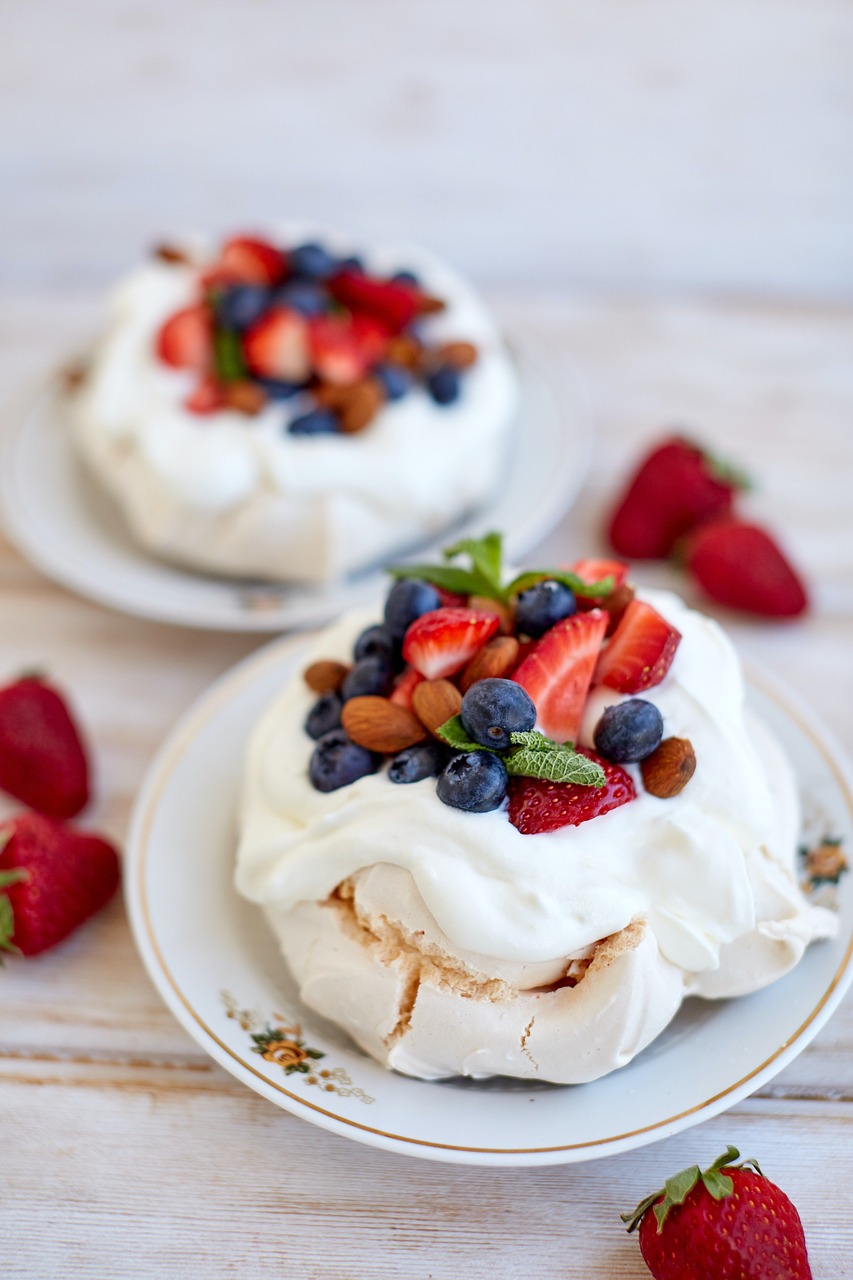
- Once the pavlova is fully cooled, spoon the whipped cream onto the center. Top with fresh fruits of your choice.
Serve Immediately
- Pavlova is best served fresh, as the meringue will soften once topped with cream.
-
Pavlova
Discover how to make a classic Pavlova with a crisp meringue shell and soft marshmallow center, topped with fresh whipped cream and seasonal fruits. A light, elegant dessert perfect for celebrations and special occasions. What Is Pavlova? Made from a delicate meringue base that is crisp on the outside and soft, marshmallow-like on the inside,…
Leave a Comment