
Upma is mainly made from roasted semolina (rava/sooji). It is cooked with water and seasoned with spices like mustard seeds, curry leaves, onion, and sometimes vegetables.

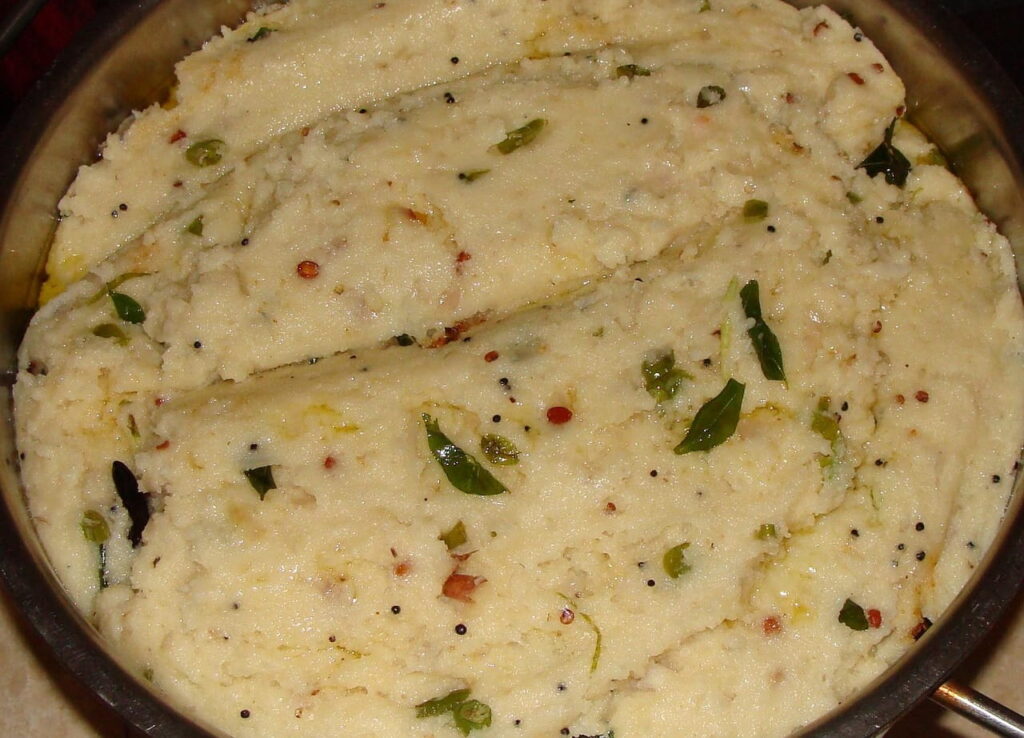
What Is Upma?
Upma is a traditional South Indian savory breakfast dish made from roasted semolina (rava / sooji). It is cooked with water and seasoned with spices such as mustard seeds, curry leaves, onion, and sometimes vegetables like carrots or peas.
The texture of upma is soft, slightly thick, and creamy, similar to a porridge but flavored with aromatic spices. It has a mild, comforting taste that can be easily adapted to personal preference.
Upma is popular because:
- It’s quick and easy to make
- Uses simple everyday ingredients
- Is light, warm, and filling
- Can be made in many variations (vegetable upma, tomato upma, coconut upma, etc.)
It is often served hot with:
- Coconut chutney
- Sambar
- Or simply a squeeze of lemon
Upma is a staple breakfast in many Indian homes due to its simplicity, nutrition, and versatility.
Health Benefits Of Upma
Upma is not only easy to prepare but also provides several nutritional benefits:
01. Good Source Of Energy
Semolina (rava) is rich in carbohydrates, which provide quick and sustained energy—making upma an ideal breakfast to start your day.
02. Supports Digestion
Semolina contains moderate dietary fiber that helps in digestion and promotes a healthy digestive system. Adding vegetables further increases fiber content.
03. Low In Fat
Upma uses minimal oil or ghee, making it a light and low-fat meal. You can adjust the amount of oil based on your preference.
04. Contains Protein
Semolina provides plant-based protein, and if you include urad dal and chana dal in tempering, protein content increases further.
05. Rich In Vitamins & Minerals
Semolina contains:
- B Vitamins (helps in metabolism and energy)
- Iron
- Magnesium
- Fiber
Adding vegetables boosts vitamins A, C, and antioxidants.
06. Keeps You Full Longer
Due to its balanced combination of carbs, protein, and fiber, upma helps keep hunger in control and prevents unnecessary snacking.
07. Customizable And Diet Friendly
Upma is suitable for:
- Weight management diets
- Vegetarian diets
- Low-fat diets
You can also make healthier variations using whole wheat rava or millets like ragi, jowar, or foxtail millet.
Tips For Making Perfect Upma
Follow these tips to get soft, fluffy, and flavorful upma every time:
01. Roast The Semolina Well
Always roast the rava on medium heat until it becomes slightly golden and aromatic.
- This prevents the upma from becoming sticky or lumpy.
02. Use The Right Water Ratio
For soft upma, use 2½ cups water for 1 cup semolina.
For slightly firmer upma, use 2 cups water.
03. Add Semolina Slowly
After the water boils, add the roasted rava gradually while stirring.
- This helps avoid lumps and ensures smooth texture.
04. Cook On Low Heat
Once rava is added, cook on low flame and let it absorb water gently.
05. Don’t Rush The Cooking
Cover and let the upma rest for 1–2 minutes after cooking.
- This helps it become soft and fluffy.
06. Use Fresh Curry Leaves & Ginger
They add authentic aroma and flavor. Skip if not available, but recommended.
07. Balance Salt And Water
Taste the boiling water before adding semolina.
If it tastes slightly salty, the final dish will be perfect.
08. Add Vegetables For Nutrition
Finely chopped carrots, peas, beans, or capsicum add color, taste & fiber.
09. Finish With Ghee (Optional)
Stir in ½–1 teaspoon ghee at the end to enhance flavor and texture.
10. Squeeze A Little Lemon Before Serving
A splash of lemon juice brightens the flavor and adds freshness.
FAQ: Upma
01. What Is Upma Made Of?
Upma is mainly made from roasted semolina (rava/sooji). It is cooked with water and seasoned with spices like mustard seeds, curry leaves, onion, and sometimes vegetables.
02. Why Does My Upma Become Sticky?
Upma becomes sticky when:
- Semolina is not roasted well
- Too little water is used
- It is cooked on high heat
Roast the semolina properly and cook slowly for a soft, fluffy texture.
03. Can I Make Upma Without Vegetables?
Yes! Traditional upma is often made without vegetables. Vegetables are optional but add nutrition and flavor.
04. Which Type Of Semolina Is Best For Upma?
Use medium or coarse semolina (rava).
Fine semolina can make upma too soft and mushy.
05. Can I Use Ghee Instead Of Oil?
Yes. Using ghee gives the upma a richer aroma and smoother taste.
06. Is Upma Healthy?
Yes. Upma is low in fat, provides good energy, and is easily digestible. Adding vegetables makes it even more nutritious.
07. What Can I Serve With Upma?
Upma pairs well with:
- Coconut chutney
- Sambar
- Or simply lemon and sugar (traditional South Indian pairing)
08. How To Make Upma More Flavorful?
- Add ginger, green chilies, and fresh curry leaves
- Finish with ghee
- Add roasted cashews for crunch
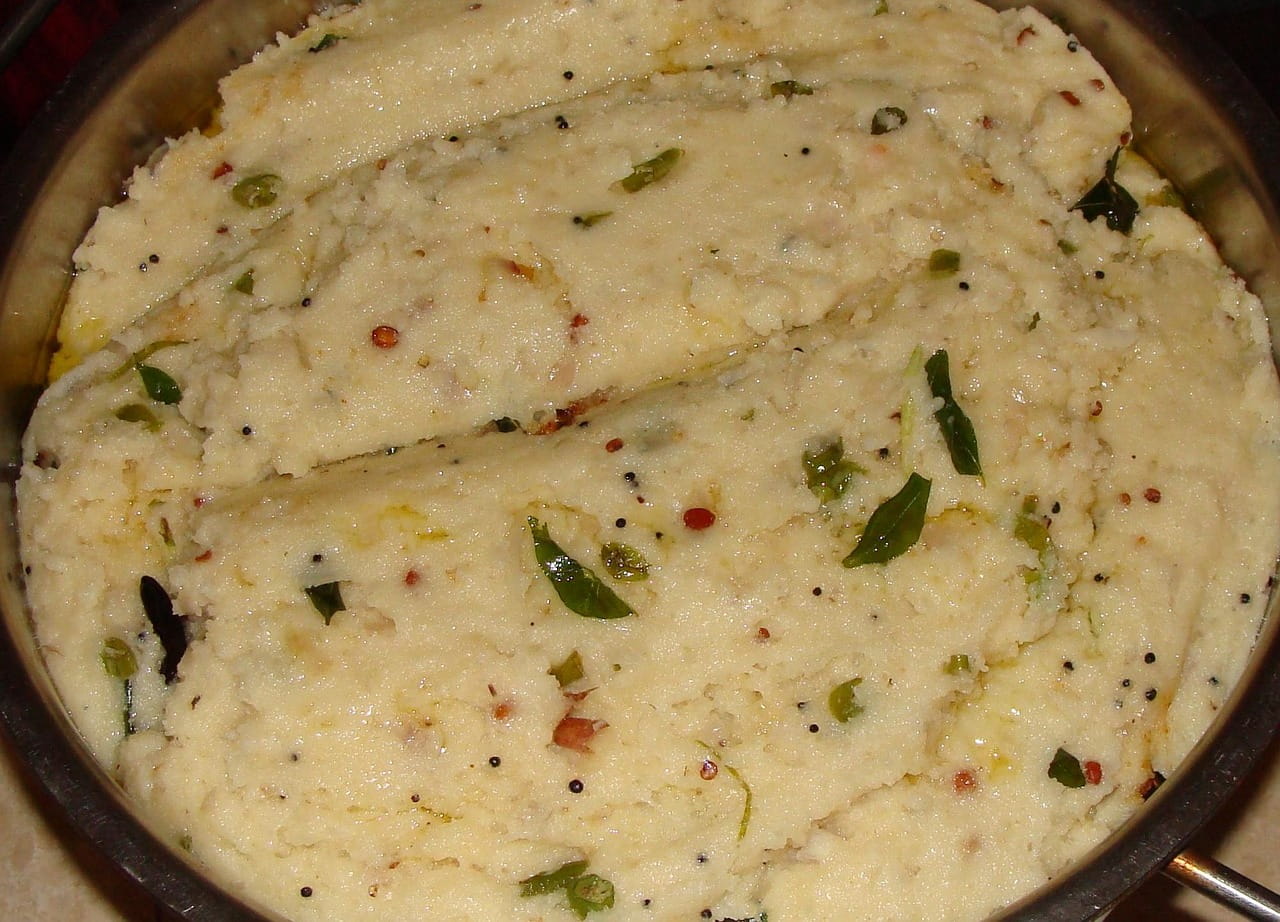
Upma
Ingredients
- 1 cup semolina (rava / sooji)
- 2 tablespoons oil or ghee
- 1 teaspoon mustard seeds
- 1 teaspoon urad dal (optional)
- 1 teaspoon chana dal (optional)
- 1 small onion, finely chopped
- 1–2 green chilies, sliced
- 1 sprig curry leaves
- 1 teaspoon grated ginger (optional)
- ¼ cup carrots or mixed vegetables (optional, finely chopped)
- 2½ cups water
- Salt to taste
- Fresh coriander leaves (for garnish)
- Lemon wedge (optional, for serving)
Instructions
Dry Roast The Semolina
- Heat a pan and add the semolina.
- Roast on medium heat until it smells nutty and turns slightly golden.
- Remove and set aside.
Prepare The Tempering
- In the same pan, heat oil or ghee.
- Add mustard seeds and let them splutter.
- Add urad dal and chana dal, and fry until lightly golden.
- Add chopped onion, green chili, curry leaves, and ginger.
- Sauté until the onion becomes soft and translucent.
Add Vegetables (Optional)
- Add carrots or any vegetables you like.
- Cook for 2–3 minutes until slightly soft.
Add Water And Simmer
- Pour in the water and add salt to taste.
- Bring it to a gentle boil.
Cook The Upma
- Reduce the heat to low.
- Gradually add the roasted semolina, stirring continuously to avoid lumps.
- Cook for 2–3 minutes until the mixture thickens and becomes soft.
Finish And Serve
- Turn off the heat.
- Cover and let rest for 2 minutes.
- Garnish with fresh coriander.
- Squeeze a bit of lemon juice before serving, if desired.
-
Upma
Upma is mainly made from roasted semolina (rava/sooji). It is cooked with water and seasoned with spices like mustard seeds, curry leaves, onion, and sometimes vegetables. What Is Upma? Upma is a traditional South Indian savory breakfast dish made from roasted semolina (rava / sooji). It is cooked with water and seasoned with spices such…
Leave a Comment